
Public Safety Power Shutoffs (PSPS) & Wildfire Grid Outages: Rights, Alerts & Backup Power
Understand when utilities trigger preventive Public Safety Power Shutoffs (PSPS), why restoration takes longer due to manual line patrols, medical baseline protections, and how to size battery or generator backup systems.
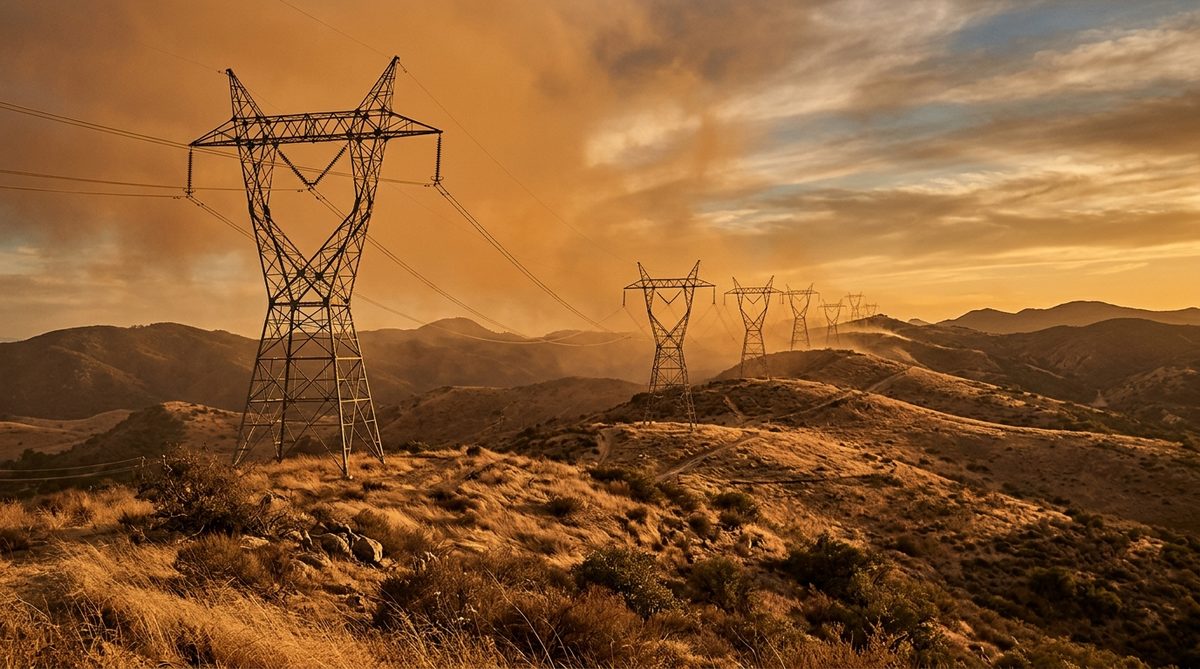
Unlike summer heat-wave blackouts or hurricane transformer failures, a Public Safety Power Shutoff (PSPS) happens under clear skies—often hours before high winds even reach peak gusts. Electric utilities across California, Oregon, Washington, Colorado, Texas, Nevada, and Hawaii intentionally de-energize high-voltage transmission and neighborhood distribution circuits when extreme fire-weather conditions threaten to turn an overhead power line spark into a fast-moving wildfire.
For households and small businesses, a PSPS event is frequently confusing: neighborhood weather may look calm at first, outage duration estimates keep shifting, and electric power rarely returns the moment winds subside. Knowing the engineering rules behind de-energization, mandatory visual line inspections, medical baseline protections, and fire-safe backup power preparation helps families stay safe through multi-day wildfire grid events.
Why Utilities Intentionally Cut Power During Fire Weather
Electric grid operators rely on real-time meteorological telemetry—combining National Weather Service Red Flag Warnings, utility-owned hillside weather stations, dead-fuel moisture gauges, and vegetation health indices—before ordering a circuit shutoff. Three physical ignition vectors drive PSPS protocols:
- Wind-Blown Vegetation & Tree-Branch Strikes: Even properly trimmed right-of-way corridors face wind-borne limbs carried hundreds of feet from outside the clearance zone. When a dry eucalyptus or pine branch bridges two energized phase conductors at 12,470 volts, molten aluminum and copper sparks rain down onto tinder-dry grass below.
- Conductor Slap & Hardware Fatigue: Sustained gusts exceeding 45 to 60 MPH cause adjacent overhead spans to gallop and collide mid-span, or snap aged insulator pins and cross-arms—dropping live conductors directly onto dry brush.
- EPSS / Fast-Trip Protection Sensitivity: Outside full planned PSPS events, many western utilities now activate Enhanced Powerline Safety Settings (EPSS) during dry summer and autumn months. Under EPSS, protective circuit reclosers trip off in less than one-tenth of a second if even a small squirrel or twig brushes a line—and automated reclosing is disabled so a second spark cannot ignite brush. That is why localized "unplanned" outages spike sharply in dry foothill regions even without formal PSPS notices.
PSPS vs. Standard Grid Outage: Why Restoration Takes Longer
A common frustration during wildfire grid shutoffs occurs when wind speeds drop at dawn, yet lights remain off until the following afternoon or evening. Once an overhead circuit is de-energized for fire safety, federal and state utility reliability standards prohibit operators from remotely flipping the breaker back on blindly.
Before re-energization begins, field crews must complete 100% visual ground patrols, foot hikes across remote canyon spans, and helicopter aerial inspections covering every mile of the shut-off circuit—looking for hanging tree limbs, cracked porcelain insulators, snapped tie wires, or compromised poles. If crews find damage along a single feeder, repairs must be finished and cleared before that section can be re-energized.
| Comparison Factor | Preventive PSPS Shutoff | Standard Storm / Equipment Outage |
|---|---|---|
| Advance Warning | Typically 48h, 24h, and 1–4h pre-shutoff alerts | Zero notice (sudden fault or storm strike) |
| Re-Energization Rule | Full foot/truck/helicopter patrol required after winds stop | Sectional switching + automatic recloser testing after repair |
| Typical Total Duration | 24 to 72+ hours (weather window + patrol) | 2 to 12 hours (unless widespread storm damage) |
| Statutory Bill Credits | Often exempt under regulatory safety carve-outs; case-by-case | Eligible under state PUC duration thresholds |
Customer Rights, Medical Baseline Alerts & Compensation Rules
Public utility commissions—including the California Public Utilities Commission (CPUC) and Oregon PUC—require investor-owned utilities (such as PG&E, Southern California Edison, SDG&E, and PacifiCorp) to maintain strict transparency and vulnerable-customer outreach protocols before and during PSPS events:
- Tiered Notification Cadence: Utilities should issue outage watch warnings approximately 48 hours ahead, shutoff confirmation alerts 24 hours prior, and imminent de-energization warnings 1 to 4 hours before breakers open—followed by periodic updates during patrols and restoration confirmation.
- Medical Baseline & Access/Functional Needs (AFN): Households registered in a utility's Medical Baseline or Life-Support program (CPAP users, home oxygen concentrators, refrigerated insulin/biologics, motorized wheelchairs) qualify for escalated phone calls, in-person door-knock checks if automated alerts go unacknowledged, and portable battery loaner or rebate programs prior to fire season.
- Community Resource Centers (CRCs): During multi-day de-energizations, utilities must stand up air-conditioned or heated mobile/fixed Community Resource Centers offering ADA-accessible seating, medical device charging, bottled water, bagged ice, and free Wi-Fi connectivity.
- Bill Credits & Formal Complaints: Because state regulators classify preventive shutoffs as wildfire mitigation, utilities frequently claim exemption from automatic food-spoilage or outage compensation payouts. However, if a utility violates notification mandates, mis-scopes a shutoff for extended days without valid weather justification, or fails to protect Medical Baseline customers, consumers can document timelines and escalate through our Bill Credit Estimator and review How to File a Formal State PUC Complaint.
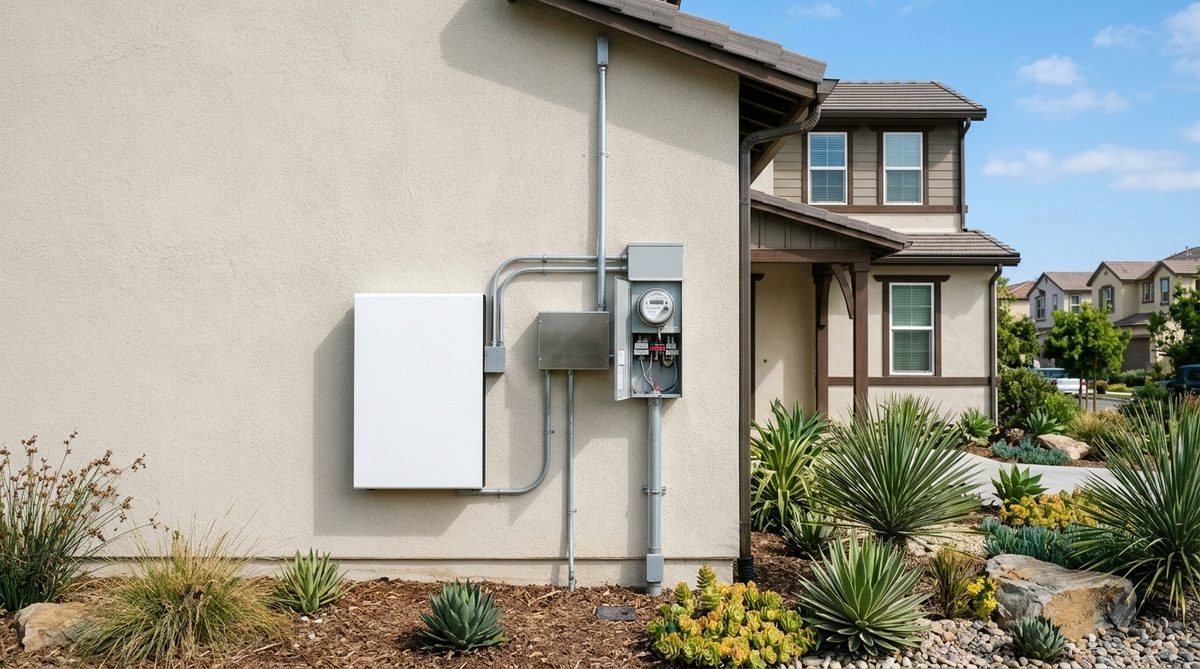
Fire-Safe Backup Power: Battery Storage vs. Fuel Generators Under Red Flag Warnings
Operating internal combustion portable generators during severe fire weather demands extra vigilance compared to winter storms. Red Flag wind conditions turn dry pine needles, dead leaves, and tall grass into explosive tinder within seconds of a hot muffler spark or spilled gasoline drop:
- Spark Arrestors & Clearance: Under CAL FIRE, U.S. Forest Service, and local county fire codes, portable gas or diesel generators used outdoors in high fire-hazard zones should include an approved USDA Forest Service-qualified spark arrestor on the exhaust pipe and sit on bare dirt, concrete, or gravel—at least 10 feet clear of dry brush and 20 feet clear of building eaves or windows (to prevent lethal carbon monoxide entry).
- Silent Battery Power Stations (LiFePO4): Because lithium iron phosphate (LFP) portable power stations and whole-home wall batteries (such as Tesla Powerwall, Enphase IQ Battery, or EcoFlow/Bluetti units) produce zero exhaust, zero carbon monoxide, and zero open sparks, they can safely run indoors right next to refrigerators, CPAP machines, and fiber modems without attracting wildfire ignition liability. Estimate exact runtime and panel wattage using our Solar & Battery Backup Calculator or size larger transfer-switch generators with the Generator Sizing Calculator.
72-Hour Fire-Weather Household Readiness Checklist
Whenever regional weather forecasts flag high offshore winds or Red Flag Warnings in your county, monitor live circuit feeds on our California Power Outage Tracker or PG&E Live Status Monitor and execute these six steps before winds arrive:
- Test Garage Door & Gate Manual Releases: Electric garage doors and HOA security gates lock shut when power drops—potentially trapping vehicles if a fast-moving wildfire prompts evacuation. Practice pulling the red emergency release cord cleanly and verify exterior key access.
- Maintain 50%+ EV Battery or Fuel Reserve: Local gas stations and DC fast chargers go offline during wide-area PSPS shutoffs. Keep family vehicles above half a tank or 80% state-of-charge throughout Red Flag periods.
- Freeze Water Jugs 24 Hours Early: Fill spare freezer capacity with frozen gallon water bottles beforehand; solid ice blocks hold internal freezer temperatures safely below 0°F far longer when compressors pause, then double as cold drinking water.
- Pre-Charge Battery Packs & NOAA Radio: Charge laptops, cellular backup banks, headlamps, and a hand-crank or AA-powered NOAA All Hazards weather radio (essential if cellular towers run out of backup battery).
- Verify Alert Subscriptions: Update contact numbers with your utility portal and enable localized county or ZIP push alerts on OutageUSA so you know immediately when circuit patrols restore neighboring streets.
Alert Neighbors & Share Incident Status
Help your local community stay informed about this active utility interruption.
Reviewed against National Electrical Code (NEC), Federal Communications Commission (FCC) Part 4 directives, and Public Utility Commission statutory reliability standards.