
Middlesex County, MA Grid Engineering Analysis & Event Audit
Comprehensive technical examination of transmission, distribution, and consumer rights.
I. Substation Bus Architecture & Feeder Impedance in Middlesex County, MA
The electrical power distribution backbone serving Middlesex County, Massachusetts (ZIP Code 02474) is engineered under regional reliability frameworks supervised by the Regional Transmission Organization (FERC Interconnection) and certified by NERC. High-voltage transmission lines (carrying between 115 kV and 230 kV) terminate into localized bulk substations where oil-immersed step-down power transformers reduce line potentials to distribution feeder voltages—typically 12.47 kV to 34.5 kV.
Within the operational territory managed by Eversource Energy, incident reference #31568 has severed service to approximately 4 metered accounts—representing an estimated 1% of active utility connections in Middlesex County. Dispatch records classify the initiating event as: Live iFactor Telemetry: 1 active distribution circuit event(s) reported by Eversource Energy. In regional grid design, distribution feeder circuits radiate outward along utility corridors, utilizing vacuum circuit breakers to protect multi-million-dollar substation transformers from phase-to-ground fault overcurrents.
SCADA & Digital Recloser Telemetry: Microprocessor-based feeder protection relays detect downstream line faults within 3 cycles (under 50 milliseconds). When automated sectionalizers detect asymmetric fault impedance, they execute timed reclosing attempts to clear temporary vegetation contact before locking open to prevent catastrophic conductor melting.
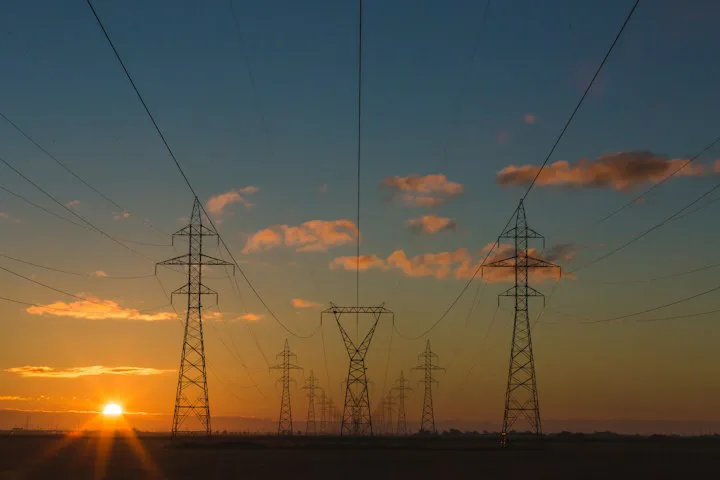
Specialized high-voltage triage team isolating distribution circuit faults along major arterial utility rights-of-way in Arlington (ZIP 02474).
II. Lineworker Restoration Hierarchy & Cold Load Management
Restoring service following complex substation lockouts demands a structured engineering triage:
- High-Voltage Substation Clearance: Substation technicians inspect transformer bushings, lightning arrestors, and oil levels for thermal degradation before resetting master bus breakers.
- Main Feeder Backbone Re-Energization: Lineworkers patrol 3-phase trunk circuits along major transportation arteries, clearing downed aluminum conductor steel-reinforced (ACSR) cables.
- Lateral Branch Sectionalizing: Crews pull manual gang-operated air-break switches to isolate faulted neighborhood spurs while re-powering undamaged distribution loops.
- Cold Load Pickup Mitigation: When re-energizing circuits where thousands of HVAC heat pumps and refrigeration compressors attempt to restart simultaneously, grid operators sequence feeder switches in calibrated steps to avoid secondary overload trips.

Real-time grid operations center dispatching mutual assistance contractors and managing cold-load pickup energization cycles.
III. Regulatory Standards under PUC & Reliability Indices
Under administrative authority enforced by the Massachusetts Public Utility Commission (PUC), Eversource Energy is legally obligated to meet statutory reliability benchmarks measured by IEEE Standard 1366 indices: the System Average Interruption Duration Index (SAIDI) and Frequency Index (SAIFI).
Governed by Federal Energy Regulatory Commission (FERC) Order 888 and NERC Standard BAL-002, utility tariffs specify that persistent outages outside major declared disaster exclusions warrant formal administrative review. Customers in Middlesex County experiencing extended interruptions can cite incident #31568 in formal filings submitted to PUC.
IV. Transient Voltage Suppression & Appliance Defense
When substation feeder circuits re-energize across Middlesex County, sudden inductive switching creates high-voltage transients that can damage microprocessor control boards in modern inverter-driven heat pumps, refrigerators, and smart entertainment systems. Unplug non-essential appliances until grid frequency stabilizes at 60 Hz.
Be the first neighbor on your block to confirm current power or broadband status above!