
Lenoir County, NC Grid Engineering Analysis & Event Audit
Comprehensive technical examination of transmission, distribution, and consumer rights.
I. Substation Bus Architecture & Feeder Impedance in Lenoir County, NC
The electrical power distribution backbone serving Lenoir County, North Carolina (ZIP Code 28501) is engineered under regional reliability frameworks supervised by the SERC Reliability Corporation and certified by NERC. High-voltage transmission lines (carrying between 115 kV and 230 kV) terminate into localized bulk substations where oil-immersed step-down power transformers reduce line potentials to distribution feeder voltages—typically 12.47 kV to 34.5 kV.
Within the operational territory managed by Duke Energy, incident reference #28080 has severed service to approximately 9 metered accounts—representing an estimated 2.3% of active utility connections in Lenoir County. Dispatch records classify the initiating event as: Duke Energy (DEC) Live Telemetry: 2 active circuit event(s) affecting 9 customers. In regional grid design, distribution feeder circuits radiate outward along utility corridors, utilizing vacuum circuit breakers to protect multi-million-dollar substation transformers from phase-to-ground fault overcurrents.
SCADA & Digital Recloser Telemetry: Microprocessor-based feeder protection relays detect downstream line faults within 3 cycles (under 50 milliseconds). When automated sectionalizers detect asymmetric fault impedance, they execute timed reclosing attempts to clear temporary vegetation contact before locking open to prevent catastrophic conductor melting.
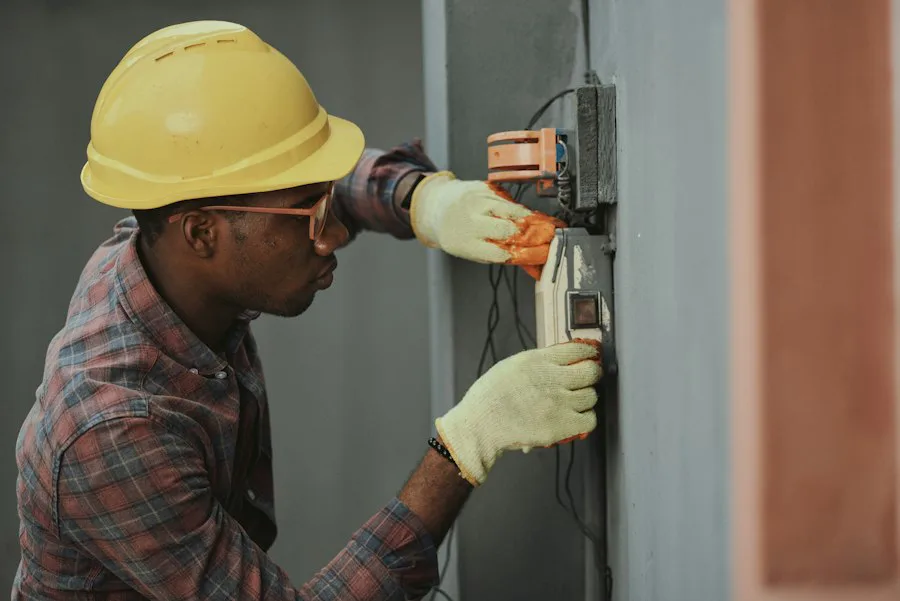
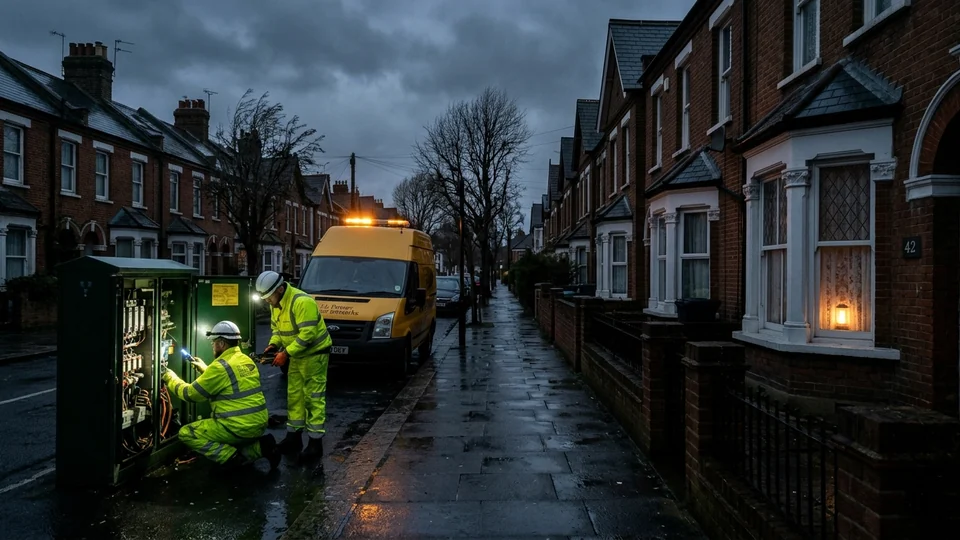
Emergency bucket truck lineworkers deployed to clear downed overhead conductors and restore primary feeder loop serving Kinston, North Carolina (ZIP 28501).
II. Lineworker Restoration Hierarchy & Cold Load Management
Restoring service following complex substation lockouts demands a structured engineering triage:
- High-Voltage Substation Clearance: Substation technicians inspect transformer bushings, lightning arrestors, and oil levels for thermal degradation before resetting master bus breakers.
- Main Feeder Backbone Re-Energization: Lineworkers patrol 3-phase trunk circuits along major transportation arteries, clearing downed aluminum conductor steel-reinforced (ACSR) cables.
- Lateral Branch Sectionalizing: Crews pull manual gang-operated air-break switches to isolate faulted neighborhood spurs while re-powering undamaged distribution loops.
- Cold Load Pickup Mitigation: When re-energizing circuits where thousands of HVAC heat pumps and refrigeration compressors attempt to restart simultaneously, grid operators sequence feeder switches in calibrated steps to avoid secondary overload trips.
Centralized SCADA telemetry terminal monitoring automated vacuum recloser trip sequences and bus voltages across Duke Energy's North Carolina service footprint.
III. Regulatory Standards under NCUC & Reliability Indices
Under administrative authority enforced by the North Carolina Utilities Commission (NCUC), Duke Energy is legally obligated to meet statutory reliability benchmarks measured by IEEE Standard 1366 indices: the System Average Interruption Duration Index (SAIDI) and Frequency Index (SAIFI).
Governed by State Administrative Utility Rules and Southern Electric Reliability Commission standards, utility tariffs specify that persistent outages outside major declared disaster exclusions warrant formal administrative review. Customers in Lenoir County experiencing extended interruptions can cite incident #28080 in formal filings submitted to NCUC.
IV. Transient Voltage Suppression & Appliance Defense
When substation feeder circuits re-energize across Lenoir County, sudden inductive switching creates high-voltage transients that can damage microprocessor control boards in modern inverter-driven heat pumps, refrigerators, and smart entertainment systems. Unplug non-essential appliances until grid frequency stabilizes at 60 Hz.
Be the first neighbor on your block to confirm current power or broadband status above!