
Pierce County, WA Grid Engineering Analysis & Event Audit
Comprehensive technical examination of transmission, distribution, and consumer rights.
I. Distribution System Dynamics & Smart Meter Telemetry in Pierce County, WA
Electrical service delivery across Pierce County, Washington (ZIP Code 98390) is governed by modern Advanced Metering Infrastructure (AMI) connected to Puget Sound Energy (PSE)'s distribution management system under oversight of the Washington Utilities and Transportation Commission and Western Electricity Coordinating Council (WECC). Smart meters continuously transmit radio-frequency health beacons over a 900 MHz mesh network, reporting voltage anomalies, phase loss, and momentary blinks.
The disruption indexed under incident reference #33895 currently affects an estimated 1 customers—representing approximately 0.5% of the energized circuits in Pierce County. Dispatch records link the fault to: PSE Live Dispatch [Outage reported]: Under investigation (#INC1135510021). When physical conductors fault, smart meters emit a high-priority 'Last Gasp' transmission using onboard capacitor reserve power, immediately geo-locating the outage perimeter without requiring manual customer phone calls.
AMI Mesh Network Diagnostics: Carrier control software analyzes meter telemetry clusters to isolate the exact distribution line fuse or transformer cutout that operated, shortening field patrol durations across Pierce County.
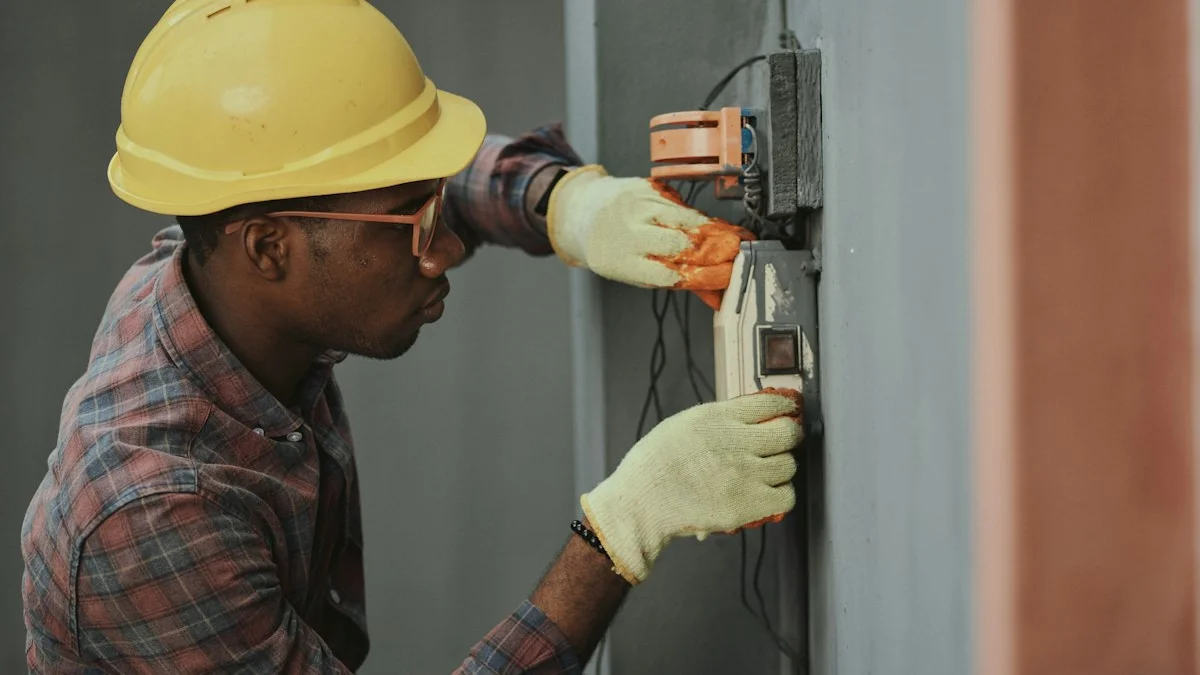
Utility crews utilizing fiberglass hotsticks and aerial cranes to hoist replacement pole-top step-down transformers in Sumner, Washington.
II. High-Voltage Physical Line Restoration Protocols
Restoring high-voltage electrical distribution circuits across Pierce County requires meticulous adherence to OSHA 1910.269 high-voltage safety standards:
- Visual De-Energization & Grounding: Lineworkers attach portable grounding clusters to isolated conductors to create an equipotential zone, protecting mechanics from accidental line re-energization or induced backfeed.
- Fiberglass Hotstick Line Work: Lineworkers use insulated hotsticks to disconnect damaged transformer taps, test line voltage, and hook mechanical line tensioners.
- Transformer Phase Balance Verification: Field technicians measure transformer secondary voltages to ensure split-phase 120/240V balance prior to closing neighborhood cutouts.
- System Frequency & Voltage Normalization: Operators verify that distribution feeder bus voltage remains within ANSI C84.1 Range A (114V to 126V nominal) to prevent home appliance damage.
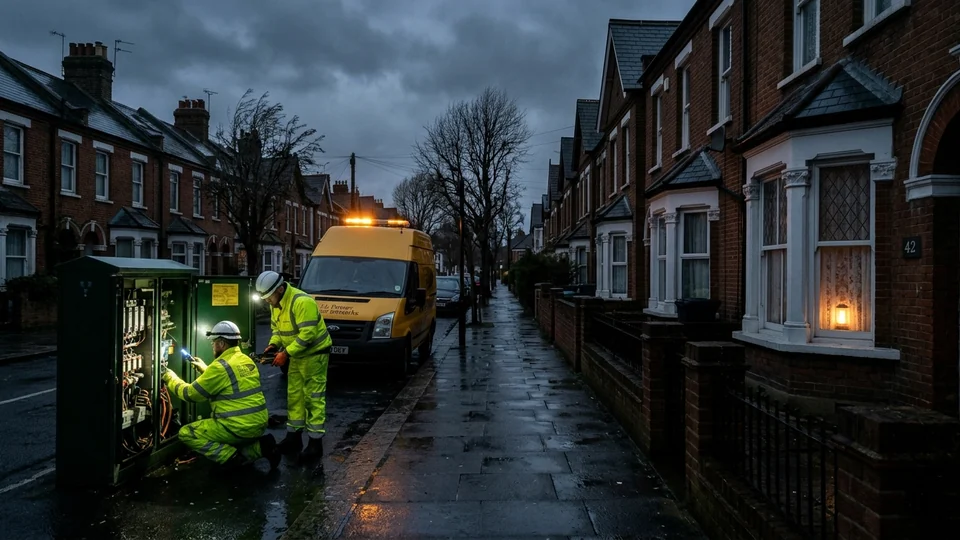
Automated Metering Infrastructure (AMI) mesh telemetry mapping phase balance and transformer load metrics in Sumner.
III. Consumer Advocacy & Regulatory Protections in Washington
The Washington Utilities and Transportation Commission (UTC) serves as the official consumer regulatory body overseeing investor-owned and municipal utilities across Washington. Administrative guidelines mandate that utilities provide timely public outage notifications, maintain emergency dispatch centers, and minimize average customer interruption durations.
Residents in Pierce County can utilize OutageUSA incident verification #33895 when filing billing inquiries or formal complaints regarding persistent power quality issues, recurring transformer failures, or prolonged repair intervals with the UTC Consumer Services Division.
IV. Emergency Generator Operation & Carbon Monoxide Safeguards
Operating emergency backup generators during this blackout requires life-safety vigilance: portable generators produce lethal concentrations of colorless, odorless carbon monoxide (CO). Never run a combustion engine inside a garage, basement, or enclosed porch—even with doors open. Keep generator exhaust oriented downwind at least 20 feet from all structure openings. Ensure an approved double-throw transfer switch is utilized to avoid deadly electrical backfeed into utility lines.
Be the first neighbor on your block to confirm current power or broadband status above!